
Are you experiencing persistent dental pain, an impacted tooth, recurring swelling, difficulty chewing or a dental problem that may require surgical treatment? If you are searching for advanced dental surgery in Solapur, SMERA Microdentistry Clinic can be a starting point for discussing your symptoms, understanding the available treatment options and arranging an appropriate dental assessment.
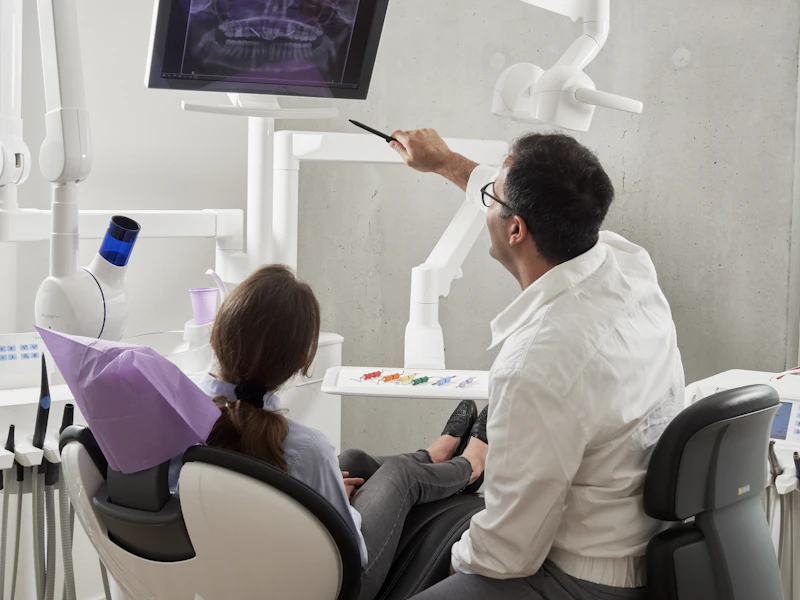
Advanced dental surgery covers a range of procedures used to manage selected conditions affecting the teeth, gums, jaw and surrounding oral tissues. Depending on the diagnosis, treatment may involve surgical tooth extraction, impacted wisdom tooth removal, dental implant placement, periodontal surgery or other oral surgical procedures.
Not every dental problem requires surgery. In many cases, a filling, root canal treatment, gum treatment or another conservative approach may be appropriate. The correct treatment depends on the clinical examination, relevant imaging and the condition of the affected tooth or oral tissues.
At SMERA Microdentistry Clinic in Solapur, patients can enquire about dental assessment and treatment options. The clinic can also clarify whether a particular surgical procedure is available or whether consultation with an appropriately qualified specialist is required.
If you are looking for advanced dental treatment in Solapur, an informed consultation is the first step towards understanding your options.
Advanced dental surgery refers to surgical procedures used to diagnose, treat or manage certain dental and oral health conditions. The complexity of a procedure can vary considerably, from removing a difficult tooth to carrying out implant surgery or treating a condition involving the jaw.
Depending on the patient's needs, oral surgical treatment may involve the teeth, supporting bone, gums, soft tissues or other structures in the mouth.
The term “advanced dental surgery” does not refer to one specific operation. It describes a broad category of procedures that require appropriate clinical assessment, treatment planning and surgical skills.
A dental surgeon or suitably qualified specialist evaluates the condition, considers relevant medical history and explains the proposed procedure, potential benefits, risks and alternatives.
The need for specialist care depends on factors such as the complexity of the condition, the patient's general health, the anatomy involved and the procedure required.
For patients searching for oral surgery in Solapur, it is important to confirm that the clinic or clinician offers the specific treatment needed.

Different surgical procedures address different dental problems. The following are examples of treatments that may be considered when clinically indicated. Availability should be confirmed with the treating clinic.
A tooth may require surgical extraction when it is broken near the gum line, difficult to access or partly covered by gum tissue or bone.
During a surgical extraction, the dentist may create a small opening in the gum to reach the tooth. In selected cases, a limited amount of bone may need to be removed or the tooth may need to be divided into sections.
Before extraction, the dentist should consider whether the tooth can be preserved through restorative treatment, root canal treatment or another suitable approach.
Wisdom teeth are the third molars at the back of the mouth. When a wisdom tooth cannot erupt into a suitable position, it may become impacted.
Some impacted wisdom teeth remain symptom-free, while others can contribute to repeated gum inflammation, decay, food trapping or damage to neighbouring teeth.
Impacted wisdom tooth surgery may involve opening the gum and, in some cases, removing a small amount of surrounding bone or dividing the tooth.
Dental implants are used in selected cases to replace missing teeth. An implant is placed in the jawbone and can support a suitable dental restoration after the necessary healing and treatment stages.
Dental implant treatment typically requires an assessment of the patient's oral health, available bone, gum condition, bite and medical history.
Implant treatment is not appropriate for every patient. Suitability, treatment duration, maintenance needs and potential complications should be discussed.
Periodontal disease affects the gums and supporting tissues around the teeth. Early disease may respond to professional cleaning and improved oral hygiene, while more advanced cases may require additional periodontal treatment.
Depending on the diagnosis, periodontal surgery may be considered to access affected root surfaces, manage certain periodontal defects or address selected gum-related problems.
Some patients do not have sufficient suitable bone in the proposed implant site. In selected cases, bone grafting may be considered to improve the site for future implant treatment.
The need for grafting depends on the amount and quality of available bone, the intended implant position and the overall treatment plan.
Bone grafting may add treatment stages and healing time.
Certain dental infections may require procedures such as drainage, treatment of the affected tooth or extraction when the tooth cannot be preserved.
The appropriate approach depends on the source of infection, its severity and the patient's condition.
Facial swelling that is spreading, fever with worsening symptoms or significant difficulty opening the mouth requires urgent assessment.
Some cysts or other lesions involving the jaw and oral tissues require investigation and may need surgical management.
Assessment can involve a clinical examination, appropriate imaging and, where indicated, a biopsy or laboratory examination of tissue.
Not every lump, ulcer or lesion is dangerous, but persistent or unexplained changes should not be ignored.
Oral and maxillofacial surgery covers selected conditions affecting the mouth, jaws, face and related structures.
Depending on the condition, procedures may involve complex tooth removal, jaw-related treatment, management of certain oral lesions or other specialist surgical care.
Patients should confirm the treating clinician's qualifications and whether a specialist referral is appropriate.
Dental surgery may be recommended when a condition cannot be managed adequately through simpler treatment or when a surgical procedure offers a suitable clinical benefit.
A severely damaged tooth that cannot be predictably restored.
An impacted tooth causing disease or other complications.
Selected dental infections requiring drainage or removal of the source.
Gum disease requiring surgical treatment beyond non-surgical care.
Replacement of a missing tooth with an implant in an appropriate candidate.
Certain cysts or lesions requiring further investigation or removal.
Surgery should not be considered the automatic solution to every dental problem. A tooth affected by infection may sometimes be preserved through root canal treatment. A gum problem may respond to non-surgical periodontal treatment. A wisdom tooth that is healthy and can be monitored appropriately may not require removal.
A dental examination helps determine which approach is most suitable. Patients should have an opportunity to discuss the diagnosis, benefits, risks, expected costs and alternatives before consenting to treatment.
Symptoms do not establish a diagnosis by themselves, but certain changes indicate that professional assessment may be needed.
Ongoing pain may be associated with tooth decay, infection, a fracture, an impacted tooth or another dental problem. A dentist can examine the affected area and determine whether restorative, endodontic or surgical treatment may be required.
Swelling can occur with dental infections, inflammation or other oral conditions. Increasing facial swelling or swelling accompanied by fever requires prompt assessment.
Pain or difficulty chewing can result from a damaged tooth, gum inflammation, a bite problem or another condition. An examination helps identify the underlying cause and appropriate treatment.
Recurring inflammation around a partially erupted wisdom tooth may indicate a need for further assessment. The dentist can determine whether cleaning, monitoring, other treatment or extraction is appropriate.
Advanced periodontal disease can damage the tissues supporting the teeth. Treatment may involve professional cleaning, periodontal care or, in selected cases, surgery or extraction.
A missing tooth can affect chewing and the arrangement of the remaining teeth. Dental implants, bridges and dentures may be considered depending on the clinical situation.
The exact process depends on the procedure, but a planned surgical dental treatment generally includes the following stages.
The clinician asks about your symptoms, dental history, medical conditions, allergies and current medicines. Information about previous surgery, bleeding problems and relevant medical treatment helps inform planning.
The dentist examines the teeth, gums and affected oral tissues. Dental X-rays or other imaging may be recommended when needed to assess the tooth, bone or surrounding structures.
The clinician explains the diagnosis and proposed treatment. You should understand why the procedure is recommended, whether alternatives exist and whether specialist care is appropriate.
Local anaesthesia is commonly used for many dental surgical procedures. Sedation or general anaesthesia may be considered for selected patients and procedures in an appropriate clinical setting.
The procedure is performed according to the treatment plan. The technique and duration depend on the type of surgery and the patient's anatomy. Some procedures are completed in one appointment, while others require several stages.
After treatment, the clinician provides instructions on wound care, food, oral hygiene, medication and activity. Ask for clarification if any instructions are unclear.
Follow-up appointments may be needed to assess healing, remove stitches when applicable, monitor complications or continue the next stage of treatment.
Pain is a common concern for people considering dental surgery. Understanding what to expect can help reduce anxiety.
Many procedures are performed using local anaesthesia to numb the treatment area. You may feel pressure or movement during treatment, but you should inform the clinician if you experience sharp pain. The anaesthesia and procedure can then be reassessed as appropriate.
If you feel anxious about dental treatment, tell the dental team before the procedure. Discussing the process, asking questions and understanding the available options may help you prepare.
After surgery, soreness, swelling or temporary difficulty chewing may occur. The degree of discomfort depends on the type of procedure, the extent of treatment and individual healing.
Your clinician can recommend suitable pain relief based on your medical history and the procedure performed. Take medication only as directed.
No procedure can be guaranteed to be completely painless or free from complications.
Preparation depends on the planned procedure and type of anaesthesia. Before your appointment:
Do not stop prescribed medicines, including blood thinners, without advice from the clinician responsible for your care. If sedation or general anaesthesia is planned, specific fasting and transport instructions may apply. Follow the instructions provided by the treating team rather than general advice from the internet. Patients who smoke or use tobacco should discuss the effect on oral healing and appropriate cessation support with their clinician.
Recovery depends on the type of procedure, its complexity and the patient's health. A straightforward extraction may involve a shorter recovery period than a complex surgical procedure or implant treatment.
Follow the instructions provided for wound care. After an extraction, a blood clot forms in the socket and helps protect the healing tissues.
Avoid vigorous rinsing, forceful spitting or using a straw during the initial period advised by your dentist. These actions may disturb the clot.
Continue cleaning your teeth carefully, avoiding trauma to the surgical site. Follow your clinician's advice about gentle rinsing, prescribed mouthwash or other oral hygiene measures.
Do not probe a wound or place unprescribed substances directly into the treated area.
Soft foods may be helpful during early recovery. Depending on the procedure, suitable options may include yoghurt, mashed vegetables, soft khichdi that has cooled, scrambled eggs and non-hot soups.
Avoid hard, crunchy or very hot foods if they irritate the treated area. Follow any procedure-specific dietary instructions.
Avoid strenuous activity for the period advised by your clinician. The time needed away from work, exercise or other activities depends on the procedure and your recovery.
Use prescribed or recommended medicines according to the instructions. Contact your clinician if pain is not controlled or if you experience a possible medication reaction.
Contact your dentist promptly for increasing pain, worsening swelling, fever, pus, persistent bleeding or another concerning change.
Difficulty breathing or swallowing, or rapidly spreading swelling involving the face or neck, requires emergency medical care.
The cost of dental surgery in Solapur varies according to the procedure and the individual clinical requirements. A straightforward surgical tooth extraction may involve different treatment steps and fees from an impacted wisdom tooth operation, dental implant placement or a procedure requiring bone grafting.
Do not compare prices without checking which services, materials and follow-up appointments are included. The most appropriate treatment should be selected according to clinical need, not cost alone.
For a reliable estimate, arrange an examination and request a written treatment plan that explains the proposed procedure and associated charges.
Ask which services, materials and follow-up appointments are included so you can compare options accurately and plan appropriately.
Request a personalised estimate after your examination so you can plan your treatment at SMERA Clinic with confidence.
When appropriately indicated, dental surgery may help address a condition that cannot be adequately managed through simpler treatment. However, all surgical procedures carry some risk.
Depending on the procedure, potential benefits may include:
Potential complications vary according to the treatment and may include:
Implant procedures have their own considerations, including the possibility that an implant may not integrate successfully with the bone. Nerve-related or sinus-related complications may be relevant to selected procedures.
When considering advanced dental treatment, it is important to understand the diagnosis, the procedure being proposed and the clinician's experience with that treatment.
SMERA Microdentistry Clinic is located in Solapur, Maharashtra, and provides dental services including tooth extraction, wisdom tooth extraction, root canal treatment, dental fillings, gum treatment and teeth replacement, as described in its service offering.
For patients enquiring about advanced dental surgery, the next step is to confirm the availability of the specific procedure and whether a specialist consultation or referral is needed.
Understand the underlying cause of your dental problem before deciding on treatment.
Explore whether suitable non-surgical alternatives exist for your condition.
Clear answers help patients understand their treatment choices and plan appropriately. The recommended treatment should always be based on an individual assessment.
The recommended treatment should always be based on an individual assessment rather than a general description of a procedure online.
Book a ConsultationAnswers to the questions patients ask most often about oral surgery in Solapur.
Advanced dental surgery refers to surgical procedures used to diagnose, treat or manage certain dental and oral health conditions. It covers a broad category of procedures, from removing a difficult tooth to carrying out implant surgery or treating a condition involving the jaw. It does not refer to one specific operation.
No. In many cases, a filling, root canal treatment, gum treatment or another conservative approach may be appropriate. The correct treatment depends on the clinical examination, relevant imaging and the condition of the affected tooth or oral tissues. Surgery should not be considered the automatic solution to every dental problem.
Many procedures are performed using local anaesthesia to numb the treatment area. You may feel pressure or movement during treatment, but you should inform the clinician if you experience sharp pain. After surgery, soreness, swelling or temporary difficulty chewing may occur. No procedure can be guaranteed to be completely painless.
The cost varies according to the procedure and the individual clinical requirements. A straightforward surgical tooth extraction may involve different fees from an impacted wisdom tooth operation, dental implant placement or a procedure requiring bone grafting. For a reliable estimate, arrange an examination and request a written treatment plan.
Provide an accurate medical history, tell your clinician about medicines and allergies, mention previous problems with bleeding or anaesthesia, ask whether imaging or medical clearance is required, and follow all written instructions from your treating team. Do not stop prescribed medicines, including blood thinners, without advice from the clinician responsible for your care.
Seek urgent assessment for spreading facial swelling, fever with worsening symptoms or significant difficulty opening the mouth. Difficulty breathing or swallowing, or rapidly spreading swelling involving the face or neck, requires emergency medical care.
No. The need for grafting depends on the amount and quality of available bone, the intended implant position and the overall treatment plan. Not every patient requiring a dental implant needs a bone graft. Bone grafting may add treatment stages and healing time.
No. Antibiotics are not a substitute for necessary dental treatment in every case. A dentist or medical professional determines whether medication is indicated alongside definitive treatment such as drainage, treatment of the affected tooth or extraction when the tooth cannot be preserved.
Recovery depends on the type of procedure, its complexity and the patient's health. A straightforward extraction may involve a shorter recovery period than a complex surgical procedure or implant treatment. Follow-up appointments may be needed to assess healing and continue the next stage of treatment.
All surgical procedures carry some risk. Potential complications vary according to the treatment and may include bleeding, infection, swelling, pain, delayed healing, injury to nearby structures or the need for additional treatment. Implant procedures have their own considerations, including the possibility that an implant may not integrate successfully with the bone. Your clinician should explain the risks that apply to your case.
If you have persistent dental pain, an impacted tooth, a missing tooth or another oral health concern, arranging a dental assessment can help you understand the cause and available treatment options.
Contact SMERA Microdentistry Clinic to enquire about an advanced dental consultation and confirm whether the procedure you need is available.
SMERA Microdentistry Clinic
Bhadravathi Peth, Solapur, Maharashtra 413005.
Phone: +91 98603 83118
Take the next step: Arrange a dental consultation to discuss your symptoms, understand the recommended treatment and make an informed decision about your oral health.
Fill in your details and our care team will confirm your slot within a few hours.