
Are you experiencing bleeding gums, swollen gums, persistent bad breath or discomfort while brushing your teeth? These symptoms may indicate a gum problem that requires professional dental assessment. At SMERA Clinic, Solapur, patients can seek guidance about gum health, gum disease prevention and suitable treatment options.
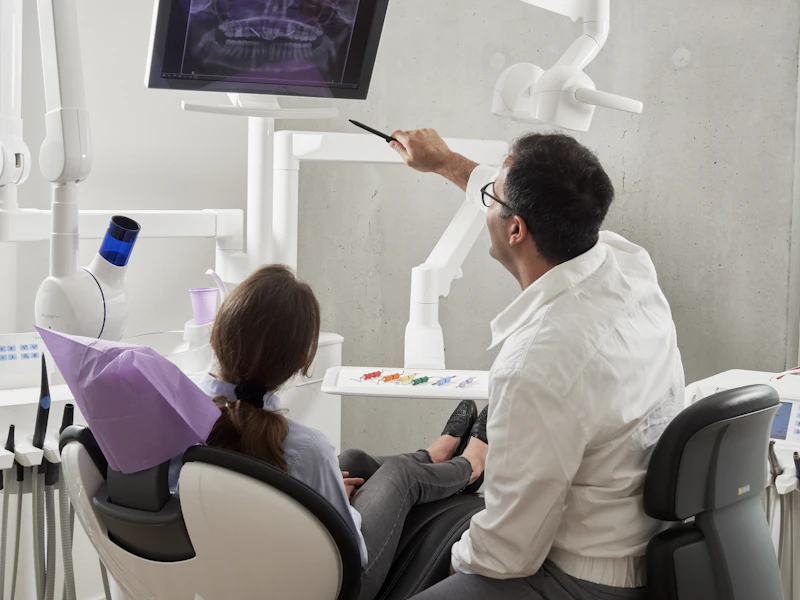
Gum treatment in Solapur is important for people who want to manage gum inflammation, remove plaque and tartar deposits, and protect the tissues that support their teeth. Gum problems can develop gradually, and early stages may not cause significant pain. Recognising the warning signs and consulting a dentist can help identify problems before they become more advanced.
Whether you are searching for bleeding gums treatment in Solapur, gum infection treatment, professional gum cleaning or treatment for receding gums, the first step is to understand the cause of your symptoms.
SMERA Clinic provides dental care in Solapur, Maharashtra. A consultation can help you understand your gum condition, the treatment options available and the steps needed to maintain healthier gums.
Looking for a dental clinic for gum problems in Solapur? Book a consultation at SMERA Clinic to explore your options.
Gum treatment refers to dental procedures and preventive care used to manage inflammation and disease affecting the gums and the supporting structures around the teeth. These structures include the periodontal ligament and the bone that helps hold teeth in place.
Healthy gums help protect the tissues surrounding the teeth. When plaque and bacteria accumulate along the gumline, the gums may become inflamed. If the problem is not managed, some patients develop periodontitis, a more advanced condition that can damage the supporting tissues and bone.
The type of gum disease treatment in Solapur you may need depends on the cause and severity of the problem. Early gum inflammation may improve with professional cleaning and better daily oral hygiene. More advanced periodontal disease may require deep cleaning, ongoing periodontal maintenance or specialist treatment.
A dentist may assess your gums, measure the spaces between the teeth and gums, review your medical history and recommend X-rays when clinically appropriate. The purpose of treatment is to control the disease, reduce inflammation, preserve supporting tissues where possible and help prevent further damage.

Gum disease can develop without obvious pain. Knowing the early warning signs can help you seek care before the condition progresses.
Do your gums bleed while brushing or cleaning between your teeth? Bleeding may be a sign of gum inflammation, especially when it happens repeatedly. If you are searching for bleeding gums treatment in Solapur, arrange a consultation rather than relying only on mouthwash or home remedies.
Healthy gums generally appear firm and fit closely around the teeth. Inflamed gums may look red, feel swollen or become tender when touched. Swelling can develop because of plaque-related gum inflammation, a local dental infection or another oral health problem.
Persistent bad breath or an unpleasant taste in the mouth may be associated with bacterial deposits, gum disease, tongue coating or other dental conditions. Regular brushing may not resolve the problem if plaque and tartar have accumulated below the gumline.
Gum recession occurs when the gum margin moves away from its usual position, exposing more of the tooth or its root. It may be associated with periodontal disease, brushing habits, tooth position or other factors. Receding gums can cause sensitivity and make teeth appear longer.
Teeth may become loose when the tissues supporting them are damaged. Changes in the way teeth fit together when biting can also be a warning sign. These symptoms may indicate advanced gum disease or another dental condition and should be assessed promptly.
Painful swelling, pus near a tooth or a gum swelling that keeps returning may indicate an infection. These symptoms need professional assessment, particularly when accompanied by facial swelling or fever. Do not attempt to drain a gum swelling yourself.
Understanding the causes of gum disease helps patients make better decisions about prevention and treatment.
Dental plaque is a sticky film containing bacteria that forms continuously on teeth. When plaque is not removed effectively, it can irritate the gums. Over time, plaque may harden into tartar, also known as calculus. Tartar cannot be removed completely through ordinary brushing and usually requires professional dental cleaning.
Infrequent brushing, ineffective cleaning between the teeth and difficulty reaching certain areas can allow plaque to accumulate. People with crowded teeth, braces or dental restorations may need additional guidance to clean their teeth effectively.
Smoking and chewing tobacco are associated with an increased risk of gum disease and can affect the response to periodontal treatment. Reducing or stopping tobacco use is an important part of protecting oral health.
Diabetes, particularly when blood glucose is not well controlled, is associated with an increased risk of periodontal problems. Gum disease can also make diabetes management more challenging for some patients. Patients with diabetes should inform their dentist about their condition and any relevant medication.
Hormonal changes during pregnancy and other life stages can affect the way gum tissues respond to plaque. Maintaining good oral hygiene and seeking dental advice for bleeding or swollen gums is important during these periods.
Genetics, certain medications, dry mouth, stress-related habits and other health conditions may also affect gum health. A dentist considers these factors when planning gum disease treatment rather than assuming that every patient has the same underlying cause.
Gingivitis and periodontitis are related but different stages of gum disease. Recognising which stage you may be experiencing helps determine whether gingivitis treatment in Solapur or periodontitis treatment in Solapur is appropriate.
Gingivitis is inflammation of the gums, often caused by plaque accumulation around the gumline. Common symptoms include bleeding during brushing, redness, swelling and tenderness. At this stage, the supporting bone has not been lost because of periodontitis.
Periodontitis is a more advanced inflammatory disease affecting the tissues that support the teeth. It can involve the loss of attachment between the tooth and surrounding tissues, periodontal pocket formation and damage to supporting bone.
Possible signs include gum recession, persistent bad breath, loose teeth and spaces developing between teeth. Existing bone loss is not usually restored by routine cleaning alone, although appropriate treatment can help control the disease.
The appropriate treatment depends on your symptoms, the amount of plaque and tartar present, gum pocket measurements and whether the supporting tissues have been affected. A consultation can help determine which type of dental care may be appropriate for your gum concerns.
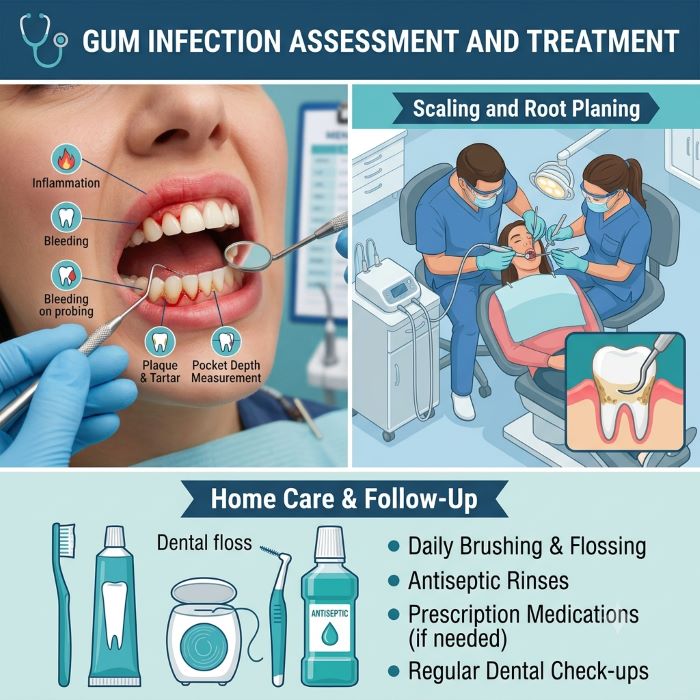
The dentist reviews your symptoms, oral hygiene routine and relevant medical history. The gums and surrounding teeth are examined for inflammation, deposits, recession and other signs of disease.
When indicated, the dentist measures the spaces between your teeth and gums and checks for signs of attachment loss or tooth mobility. Dental X-rays may be recommended if information about the supporting bone is needed.
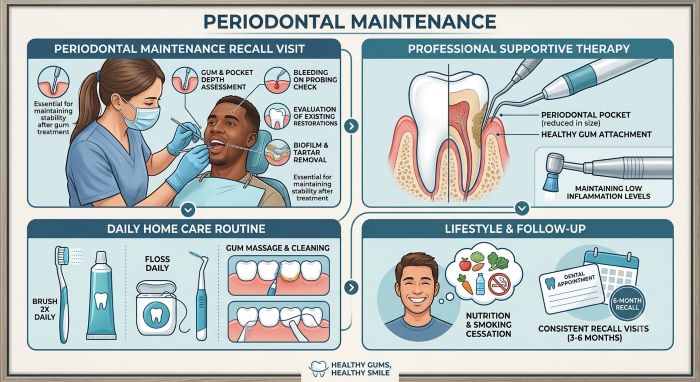
If plaque and tartar have accumulated, professional scaling may be recommended to remove deposits from the tooth surfaces above and around the gumline. The dentist also explains how to improve brushing and interdental cleaning.
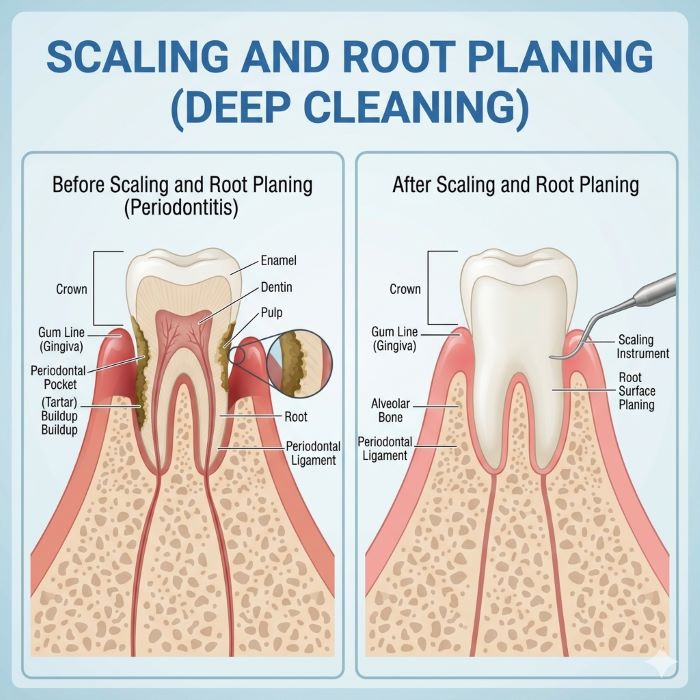
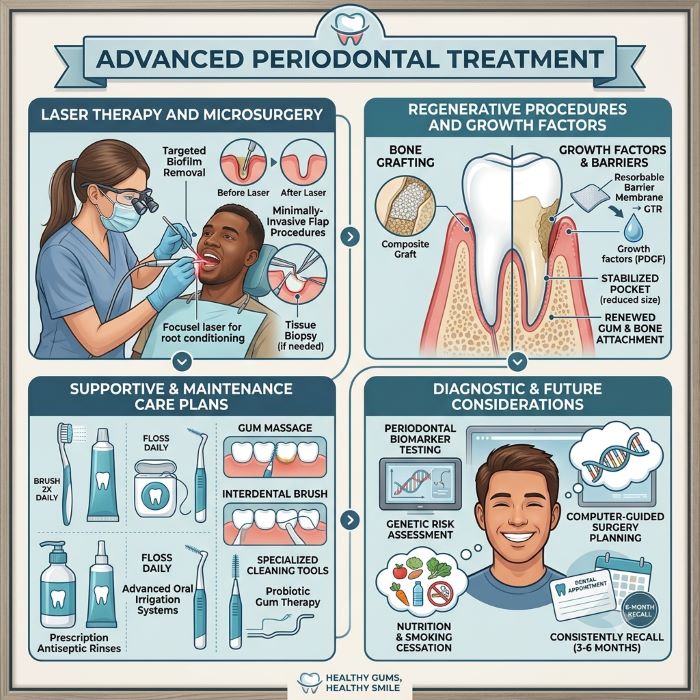
For patients with periodontitis, scaling and root planing may be recommended. This procedure removes plaque and calculus from affected areas below the gumline and cleans the root surfaces.
After treatment, the dentist evaluates how the gums have responded and determines whether further treatment is necessary. Patients with periodontitis often benefit from ongoing periodontal maintenance and regular professional reviews.
Different patients may require different approaches. Your dentist can help you choose the most appropriate option based on your clinical assessment.
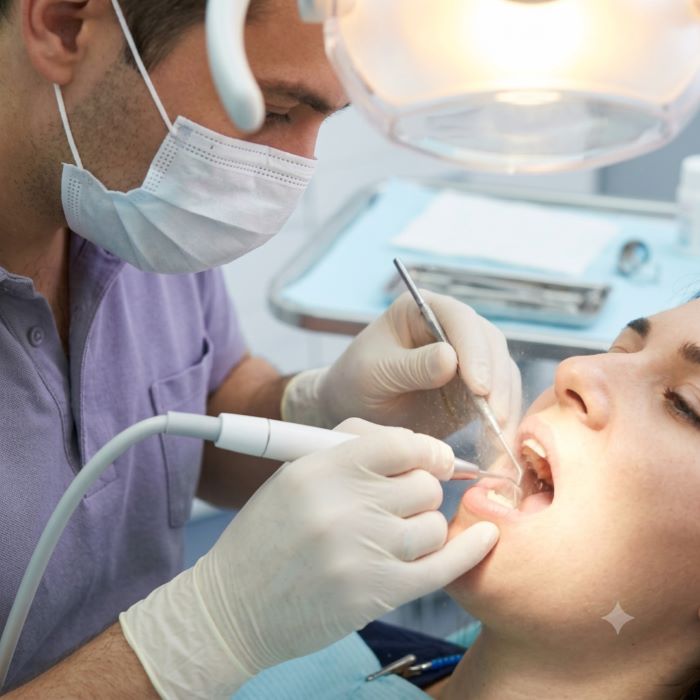
The level of discomfort depends on the condition being treated and the procedure involved.
Routine professional cleaning may cause mild sensitivity, particularly when the gums are inflamed. Deep cleaning can produce temporary tenderness or sensitivity after treatment.
If necessary, the dentist may use local anaesthesia during periodontal procedures. Let the dental team know if you are anxious about treatment or have experienced significant sensitivity during previous dental visits.
After treatment, follow the instructions provided and contact the clinic if pain becomes severe, swelling increases or symptoms do not improve as expected.
Delaying treatment because of fear can allow some gum conditions to progress. Discuss your concerns with the dentist before deciding on a procedure so that appropriate comfort measures can be planned.
Early assessment of swollen gums treatment in Solapur or bleeding gums can help prevent the need for more extensive treatment later.
The cost of gum treatment in Solapur depends on the diagnosis, severity of gum disease, number of affected teeth, amount of deposits, treatment method and number of visits required.
Routine scaling may involve a different fee from deep cleaning for periodontitis. Advanced periodontal procedures and ongoing maintenance may involve additional costs. A dentist may also recommend investigations or treatment for related dental problems where appropriate.
At SMERA Clinic, patients can enquire about consultation and treatment charges after discussing their symptoms and dental needs. When comparing gum treatment prices in Solapur, consider the examination, diagnosis, proposed treatment, follow-up and preventive guidance rather than choosing a procedure based on price alone.
An accurate estimate requires an assessment of the patient's condition. Avoid unverified prices or a fixed treatment cost for every patient.
Request a personalised estimate after your gum examination so you can plan your treatment at SMERA Clinic with confidence.
Different symptoms may require different approaches. Your dentist can recommend the most appropriate treatment after assessment.
Bleeding gums are one of the most common warning signs of gum inflammation. They may occur during brushing, flossing or eating harder foods. If bleeding happens regularly, the cause should be assessed rather than managed indefinitely with home remedies.
The dentist may recommend professional cleaning, improved brushing technique, interdental cleaning or further periodontal assessment depending on the findings. Use a soft-bristled toothbrush and brush gently along the gumline.
Do not stop cleaning between the teeth solely because your gums bleed; ask your dentist for advice on the most suitable technique. If bleeding is heavy, spontaneous, persistent or accompanied by other unexplained symptoms, seek prompt medical or dental assessment.
Swollen gums may be caused by plaque-related inflammation, local infection, irritation or other medical and dental conditions. The appropriate swollen gums treatment in Solapur depends on the cause. Professional cleaning may be useful when plaque and tartar are responsible, while an abscess or another dental problem may need different care.
If gum swelling is accompanied by facial swelling, fever, severe pain or difficulty opening the mouth, obtain urgent dental assessment. Difficulty breathing or swallowing requires emergency medical care.
Avoid applying chemicals or unprescribed medication directly to swollen gums.
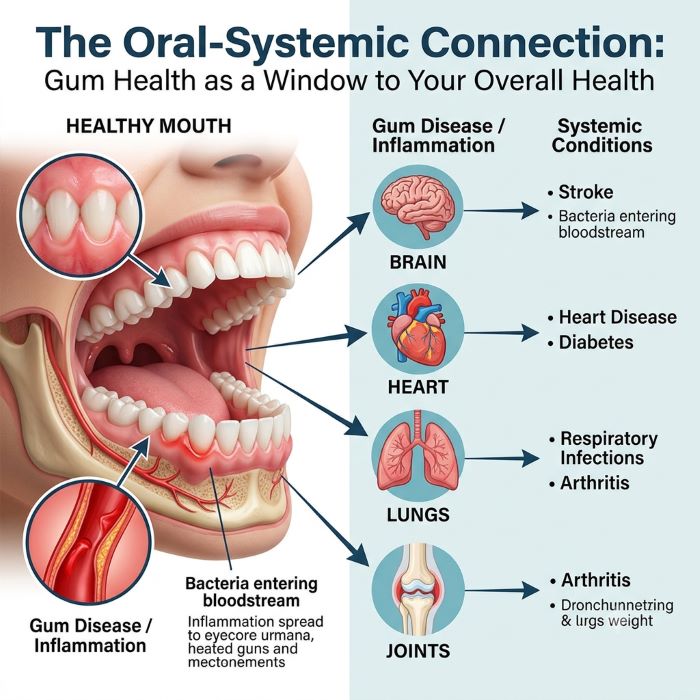
Oral health is connected with general health, and certain medical conditions can influence gum disease risk and treatment response. Diabetes is a particularly important consideration because it is associated with periodontal disease. Tobacco use, some medications and other health factors may also affect gum health.
Tell your dentist about relevant medical conditions, medication use and any changes in your health. This information helps the dental team make appropriate treatment decisions.
Gum disease should be diagnosed and managed on its own clinical merits. Associations between periodontal disease and other health conditions do not mean that gum treatment can prevent or cure every systemic disease.
Prevention involves daily plaque removal, healthy habits and regular dental assessment.
Good daily oral hygiene can reduce plaque buildup, but it does not remove established tartar or reverse all forms of periodontal damage. Professional treatment is important when gum disease has developed.
Choosing a dental clinic for gum care involves understanding the cause of your symptoms, the available treatment options and the importance of ongoing maintenance.
SMERA Clinic provides dental services in Solapur, including gum treatment. Patients can discuss bleeding gums, gum swelling, persistent bad breath and other oral health concerns with the dental team.
A consultation should explain the findings, recommended treatment, possible discomfort, expected follow-up and preventive care.
When seeking a gum specialist in Solapur, check the treating professional's verified qualifications and whether your condition requires specialist periodontal care.
Do not assume that every gum problem requires surgery or that one treatment is suitable for every patient.
Understand the pros and cons of each recommended approach, including nonsurgical and surgical options where relevant.
Long-term gum health depends on continuous maintenance — we help you plan for that.
A dental clinic for gum problems in Solapur — convenient local access to expert assessment and care.
The objective is to make informed treatment decisions based on your dental condition and individual needs. Book a consultation to discuss your gum health with our team.
Book a ConsultationAnswers to the questions patients ask most often about gum disease treatment in Solapur.
SMERA Clinic offers dental services in Solapur, including gum treatment. Contact the clinic to enquire about a consultation for bleeding gums, gum swelling or other periodontal concerns.
The best treatment depends on the cause. Plaque-related gingivitis may improve with professional cleaning and effective daily oral hygiene. Persistent bleeding needs assessment to rule out other causes.
Swollen gums may result from plaque buildup, gum disease, local infection, irritation or other health conditions. A dentist can assess the cause and recommend appropriate treatment.
Gingivitis can often be reversed with suitable professional care and good oral hygiene. Periodontitis can generally be managed, but existing supporting tissue and bone loss may not be fully reversible. Ongoing maintenance is often necessary.
Routine scaling removes plaque and tartar from tooth surfaces. Scaling and root planing treats affected root surfaces below the gumline and may be needed when periodontitis is present.
The cost depends on the severity of the condition, the treatment required and the number of visits. Contact SMERA Clinic for information about consultation fees and a treatment-specific estimate.
Some patients experience discomfort during or after deep cleaning. Local anaesthesia may be used when appropriate, and temporary sensitivity or tenderness can occur afterwards.
Advanced periodontitis can damage the tissues and bone supporting the teeth, potentially causing tooth mobility. Loose teeth should be assessed promptly to determine the cause and available treatment options.
Mouthwash may support oral hygiene in selected circumstances, but it cannot remove hardened tartar or replace necessary periodontal treatment. Ask your dentist whether a particular mouthwash is suitable for you.
Brush twice daily, clean between your teeth, avoid tobacco, follow professional maintenance recommendations and attend regular dental reviews. Patients with periodontitis may need more frequent maintenance visits.
Repeated bleeding is not something to ignore. It may indicate gum inflammation or another problem. A dentist can assess the cause and advise on appropriate cleaning techniques and treatment.
Arrange an assessment for persistent or recurring swelling. Severe pain, facial swelling, fever or pus may require urgent dental care. Difficulty breathing or swallowing requires emergency medical attention.
Yes. Diabetes, especially when blood glucose is poorly controlled, is associated with a higher risk of periodontal problems. Inform your dentist about diabetes and follow appropriate oral and medical care recommendations.
The interval depends on your gum health, plaque and tartar buildup, periodontal history and individual risk factors. Your dentist can recommend an appropriate schedule.
Established gum recession does not usually reverse through routine cleaning alone. Treatment focuses on controlling the cause, protecting exposed roots and managing sensitivity. Selected cases may be suitable for periodontal procedures.
No. Many gum conditions are managed through professional cleaning and appropriate dental procedures. Antibiotics are used only when clinically indicated and prescribed by a qualified healthcare professional.
Healthy gums are important for protecting the teeth and their supporting structures. If you notice bleeding, swelling, persistent bad breath or gum recession, seek professional advice rather than waiting for symptoms to become more severe.
For gum treatment in Solapur, contact SMERA Clinic to discuss your concerns, arrange an examination and understand the options available for your dental health.
SMERA Clinic – Solapur
Hyderabad–Bijapur Bypass, Bhadravathi Peth, Solapur, Maharashtra 413005.
Phone: +91 98603 83118
Do not ignore persistent bleeding, loose teeth or recurring gum swelling. A professional examination can help determine the next appropriate step for your oral health.
Fill in your details and our care team will confirm your slot within a few hours.