
Are you experiencing pain at the back of your mouth, swollen gums, difficulty chewing or discomfort near your last molars? These symptoms may be associated with wisdom teeth, also known as third molars. If you are searching for wisdom tooth extraction in Solapur, SMERA Microdentistry Clinic can help you understand the possible cause of your symptoms and explore appropriate treatment options.
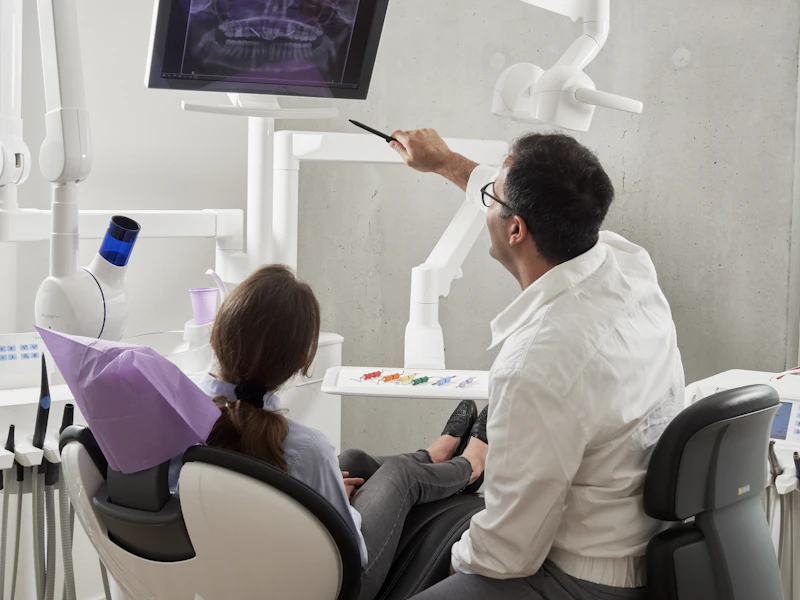
Wisdom teeth usually emerge during the late teenage years or early adulthood, although their development varies from person to person. Some wisdom teeth grow into the mouth without causing problems, while others remain partially or completely trapped beneath the gums. These are commonly described as impacted wisdom teeth.
When a wisdom tooth causes persistent pain, repeated inflammation, decay or damage to neighbouring teeth, a dentist may recommend removal. However, not every wisdom tooth needs to be extracted. The decision depends on the tooth's position, symptoms, clinical findings and potential risks.
At SMERA Clinic in Solapur, patients can seek a dental assessment to understand whether wisdom tooth removal, monitoring or another form of treatment is appropriate.
If you are looking for wisdom tooth removal in Solapur, arranging an examination is a practical first step towards understanding your dental health.
Wisdom teeth are the third molars located at the very back of the mouth. Most adults can develop up to four wisdom teeth, although some people have fewer or none.
These teeth usually emerge between the ages of approximately 17 and 25, but they can develop earlier, later or remain beneath the gums.
Because wisdom teeth are located at the back of the mouth, they can sometimes be difficult to clean. When there is insufficient space for a tooth to erupt normally, it may grow at an angle, remain partially covered by gum tissue or stay completely within the jawbone.
A wisdom tooth that cannot erupt into a normal position is called an impacted wisdom tooth. Depending on its position, it may contribute to discomfort, food trapping, gum inflammation, tooth decay or other dental problems.
A dental examination helps determine whether a wisdom tooth is developing normally or requires professional attention.

Wisdom tooth extraction is a dental procedure in which a dentist removes one or more third molars when removal is considered appropriate.
The procedure may be relatively straightforward when a wisdom tooth has erupted fully and can be accessed easily.
The dentist numbs the area with local anaesthesia, loosens the tooth and removes it using suitable instruments.
An impacted wisdom tooth may require a surgical approach involving access through the gum and, in some cases, removal of a small amount of surrounding bone or sectioning of the tooth.
Stitches may be placed when appropriate.
The treatment method depends on the tooth's position, root anatomy, surrounding structures and overall clinical condition.
Patients searching for wisdom tooth extraction in Solapur should understand that the same procedure is not suitable for every patient. The dentist assesses the tooth and explains the proposed treatment before proceeding.
Wisdom tooth problems can develop gradually or appear suddenly. Common symptoms include the following.
Pain near the last molars may occur when a wisdom tooth is erupting, impacted or affected by decay or inflammation. The discomfort may come and go or become more persistent.
However, not all pain at the back of the mouth is caused by wisdom teeth. Other molars, gum disease and dental infections can produce similar symptoms. An examination helps identify the cause.
When a wisdom tooth emerges only partially, a flap of gum tissue may cover part of its surface. Food debris and bacteria can collect beneath this flap, leading to inflammation known as pericoronitis.
Symptoms may include redness, tenderness, swelling, an unpleasant taste and discomfort while chewing. Repeated inflammation may require treatment and assessment of whether removal is appropriate.
Inflammation around a wisdom tooth can sometimes make opening the mouth uncomfortable or difficult. This symptom should not be ignored, especially when accompanied by swelling, fever or worsening pain.
Significant restriction in mouth opening warrants prompt dental assessment.
A wisdom tooth that is partly erupted, decayed or pressing against nearby tissues may cause discomfort while eating.
Pain during chewing may also originate from a neighbouring molar or another dental condition. A dentist can examine the area and determine the likely cause.
Wisdom teeth that are difficult to reach with a toothbrush may accumulate food debris and plaque. A partially erupted tooth can create a pocket where debris becomes trapped.
Persistent food trapping can make the surrounding gums uncomfortable and increase the risk of decay or inflammation.
An impacted or partially erupted wisdom tooth can sometimes contribute to unpleasant breath or taste when bacteria and debris accumulate around it.
These symptoms can also have other causes, including gum disease and dental decay. Professional assessment is important if they persist.
Swelling near the back of the jaw may indicate inflammation or infection. Facial swelling that is increasing or spreading requires urgent assessment.
Difficulty breathing or swallowing, or rapidly spreading swelling involving the face or neck, requires emergency medical care.
An impacted wisdom tooth is a tooth that cannot erupt fully into its normal position. This may happen because of limited space, the direction in which the tooth is growing or other anatomical factors. Impacted wisdom teeth are commonly classified according to their position.
The tooth is angled towards the neighbouring molar.
The tooth is angled towards the back of the mouth.
The tooth is positioned relatively upright but may not erupt fully.
The tooth lies sideways and may point towards the neighbouring molar.
Some impacted wisdom teeth remain symptom-free and can be monitored. Others may be associated with decay, inflammation, cystic changes or damage to the adjacent tooth.
Dental X-rays help the dentist assess tooth position and root anatomy when imaging is clinically indicated. More detailed imaging may be recommended in selected cases if the relationship to important anatomical structures needs further evaluation.
Impaction alone does not automatically mean that surgery is necessary. The decision should consider the patient's symptoms, examination findings and potential benefits and risks of treatment.
No. A wisdom tooth does not necessarily need extraction simply because it is a wisdom tooth. The decision should be based on an individual dental assessment, not on online information alone.
If a wisdom tooth has erupted into a functional position, can be cleaned effectively and is not causing disease or other problems, the dentist may recommend monitoring rather than removal.
Extraction may be considered when there is a clear clinical reason, such as:
The appropriate approach depends on the individual case rather than a single standard technique. Your dentist will determine the most suitable method after examination and imaging.
Many patients worry about pain before wisdom tooth removal. Understanding what to expect can help reduce anxiety.
Local anaesthesia is commonly used to numb the treatment area during extraction. You may notice pressure or movement during the procedure, but you should tell your dentist if you experience sharp pain. The dentist can assess whether additional anaesthesia or another adjustment is needed.
If dental anxiety is a concern, discuss it before treatment. Knowing what to expect and receiving clear instructions can make the experience easier to manage.
After the procedure, the numbness gradually wears off. Some soreness, swelling, jaw stiffness or difficulty chewing may occur, especially after surgical extraction.
The intensity and duration of discomfort vary with the complexity of the procedure and individual healing. Your dentist can explain suitable pain relief based on your medical history and the treatment performed.
Understanding the process can help you prepare for your appointment.
The dentist reviews your symptoms, medical history, current medicines, allergies and previous dental treatment. The mouth is examined to assess the wisdom tooth and surrounding gums.
An X-ray may be used to evaluate the tooth's position, root shape and relationship to neighbouring structures. Additional imaging is considered when it is expected to improve treatment planning.
The dentist explains whether monitoring, another treatment or extraction is recommended. You can ask about the procedure, expected recovery, potential complications, fees and whether a specialist referral is advisable.
Local anaesthesia is generally used for routine and surgical wisdom tooth removal. Other anaesthesia or sedation options depend on the patient's needs, clinical setting and available services.
The dentist uses the planned technique to remove the wisdom tooth. A fully erupted tooth may be removed relatively simply, while an impacted tooth may require surgical access.
The socket is checked, and gauze is placed when needed to help control bleeding. Stitches may be used depending on the procedure.
Before leaving, you should receive instructions about bleeding, food, oral hygiene, activity, medicines and follow-up. Ask the dentist what to do if symptoms worsen after returning home.
The cost of wisdom tooth removal in Solapur varies according to the complexity of the case. A fully erupted wisdom tooth that can be removed simply may involve a different fee from a deeply impacted tooth requiring surgery.
Online prices may not reflect the actual requirements of your case. A dental examination helps the clinician determine the likely complexity and explain the expected fees.
For an accurate estimate, contact SMERA Clinic and arrange an assessment. Ask for a breakdown of the recommended procedure and associated charges before treatment.
An examination helps determine the likely complexity and allows the clinician to explain the expected fees for your individual case.
Request a personalised estimate after your wisdom tooth assessment so you can plan your treatment at SMERA Clinic with confidence.
Recovery varies depending on whether the tooth was removed through a simple or surgical procedure. Some patients experience mild discomfort, while others have more noticeable swelling and jaw stiffness.
Discomfort and swelling commonly become more noticeable during the first few days before gradually improving. Surgical cases may require additional recovery time. The gum heals progressively over the following weeks, while the underlying socket continues to remodel for longer.
Apply pressure by biting on the gauze supplied by your dentist for the recommended period. Avoid repeatedly removing the gauze to inspect the wound.
A small amount of blood mixed with saliva may be noticeable initially. Contact your dentist if bleeding is heavy or does not settle with firm pressure.
A blood clot forms in the socket and protects the healing tissues. Avoid vigorous rinsing, forceful spitting and drinking through a straw during the period advised by your dentist.
Smoking and tobacco use can interfere with healing and increase the risk of dry socket. Avoid them during recovery, ideally for longer if recommended.
Follow your dentist's instructions regarding cold compresses and other measures for swelling. Take prescribed or recommended medicines only as directed.
Contact your dentist if swelling becomes progressively worse, particularly if it is accompanied by fever, pus or increasing pain.
Brush your other teeth carefully while avoiding injury to the surgical site. Follow your dentist's advice about when to start gentle salt-water rinses or use any prescribed mouth rinse.
Do not probe the socket with your fingers or objects, and do not place unprescribed substances into the wound.
Rest during the initial recovery period and avoid strenuous activity for as long as advised.
The appropriate time to resume work, exercise and other activities depends on the procedure and how you feel.
Contact your dentist if you develop worsening pain after initial improvement, persistent or increasing swelling, fever, pus, a bad taste accompanied by pain, or bleeding that does not settle.
Difficulty breathing or swallowing, or rapidly spreading facial or neck swelling, requires emergency medical care.
Soft foods can make eating more comfortable while the extraction site is healing.
Drink water regularly, but avoid using a straw during the initial period specified by your dentist. Do not eat while your mouth remains significantly numb, because you could accidentally bite your cheek or tongue.
Avoid hard, crunchy, sharp or very hot foods initially. Foods such as chips, nuts and popcorn may irritate the wound or lodge in the socket.
Gradually return to your usual diet as comfort improves and your dentist's instructions permit.
Wisdom tooth extraction is a common dental procedure, but, like any surgical treatment, it carries potential risks. Your dentist should explain the risks relevant to your particular case.
Dry socket can occur when the protective blood clot is lost or breaks down prematurely. It may cause significant pain, often becoming noticeable a few days after extraction.
Dental assessment is needed if you suspect this complication.
Infection may cause increasing pain, swelling, fever, pus or an unpleasant taste.
Contact your dentist promptly if these symptoms develop.
Some bleeding is expected initially, but persistent or heavy bleeding requires professional advice.
Some lower wisdom teeth lie close to nerves that provide sensation to the lower lip, chin or tongue. In certain cases, extraction may cause temporary or, rarely, longer-lasting changes in sensation.
Imaging and appropriate treatment planning help assess the risk.
Upper wisdom tooth roots may be close to the maxillary sinus. In selected cases, removal can affect the communication between the mouth and sinus.
Your dentist can explain whether this risk is relevant to your anatomy.
Understanding the potential complications allows you to make an informed decision and recognise when follow-up care is necessary.
Do not ignore persistent wisdom tooth pain or recurring gum inflammation. Arrange a prompt dental assessment if you have worsening pain, swelling, difficulty chewing, fever or signs of infection.
Seek emergency medical care if you experience difficulty breathing or swallowing, rapidly spreading facial or neck swelling, or another sign of a potentially serious infection.
If you have already undergone wisdom tooth extraction, contact your dentist for persistent bleeding, worsening pain, increasing swelling or other concerning symptoms.
Early assessment can help identify problems and determine whether further treatment is required.
Choosing a dental clinic means finding a team that can assess your condition, explain the proposed treatment and help you understand your options.
SMERA Microdentistry Clinic offers dental services in Solapur, including tooth extraction, wisdom tooth extraction, root canal treatment, dental fillings, gum treatment and teeth replacement.
The findings from your examination are explained clearly so you understand your condition and the recommended next steps.
Whether monitoring or extraction is recommended — and the clinical reasoning behind the recommendation for your individual case.
Whether a specialist consultation is advisable for your case, based on the tooth's position and relationship to important structures.
Clear communication helps patients understand their choices and prepare for treatment at every stage.
An individual dental assessment is the best way to understand the appropriate course of action. Book a consultation to discuss your wisdom tooth with our team.
Book a ConsultationAnswers to the questions patients ask most often about wisdom tooth removal in Solapur.
No. A wisdom tooth does not necessarily need extraction simply because it is a wisdom tooth. If it has erupted into a functional position, can be cleaned effectively and is not causing disease, the dentist may recommend monitoring rather than removal. Extraction is considered only when there is a clear clinical reason.
Local anaesthesia is commonly used to numb the treatment area during extraction. You may notice pressure or movement, but you should tell your dentist if you experience sharp pain. After the procedure, some soreness, swelling or jaw stiffness may occur, especially after surgical extraction.
The cost varies according to the complexity of the case. A fully erupted wisdom tooth that can be removed simply may involve a different fee from a deeply impacted tooth requiring surgery. For an accurate estimate, contact SMERA Clinic and arrange an assessment.
An impacted wisdom tooth is a tooth that cannot erupt fully into its normal position. This may happen because of limited space, the direction of growth or other anatomical factors. Impacted wisdom teeth are classified as mesioangular, distoangular, vertical or horizontal based on their position.
Dry socket can occur when the protective blood clot is lost or breaks down prematurely. It may cause significant pain, often becoming noticeable a few days after extraction. Dental assessment is needed if you suspect this complication.
Soft foods such as yoghurt, mashed potatoes, soft khichdi, scrambled eggs and smooth soups that are not hot can make eating more comfortable. Avoid hard, crunchy, sharp or very hot foods initially. Do not use a straw during the initial period specified by your dentist.
Local anaesthesia is generally used for routine and surgical wisdom tooth removal. Other anaesthesia or sedation options depend on the patient's needs, clinical setting and available services. Do not assume sedation is included in a standard extraction — discuss the available options with your treating dentist.
Recovery varies depending on whether the tooth was removed through a simple or surgical procedure. Discomfort and swelling commonly become more noticeable during the first few days before gradually improving. Surgical cases may require additional recovery time. The gum heals progressively over the following weeks.
Like any surgical treatment, wisdom tooth extraction carries potential risks including dry socket, infection, prolonged bleeding, nerve-related symptoms and, in selected upper cases, sinus-related complications. Your dentist should explain the risks relevant to your particular case.
Arrange a prompt dental assessment if you have worsening pain, swelling, difficulty chewing, fever or signs of infection. Seek emergency medical care if you experience difficulty breathing or swallowing, rapidly spreading facial or neck swelling, or another sign of a potentially serious infection.
If you are experiencing wisdom tooth pain, swollen gums or discomfort near your last molars, arrange a dental consultation rather than relying on home remedies alone.
At SMERA Microdentistry Clinic, a dental assessment can help determine the cause of your symptoms and whether wisdom tooth removal is appropriate.
SMERA Microdentistry Clinic
Bhadravathi Peth, Solapur, Maharashtra 413005.
Phone: +91 98603 83118
Take the next step: Get your wisdom tooth assessed and discuss a treatment plan that is appropriate for your dental condition.
Fill in your details and our care team will confirm your slot within a few hours.