
Are you experiencing persistent tooth pain, a badly damaged tooth, swelling around a tooth, or discomfort while chewing? If you are searching for tooth extraction in Solapur, SMERA Clinic can help you understand your dental problem and explore the appropriate treatment options.
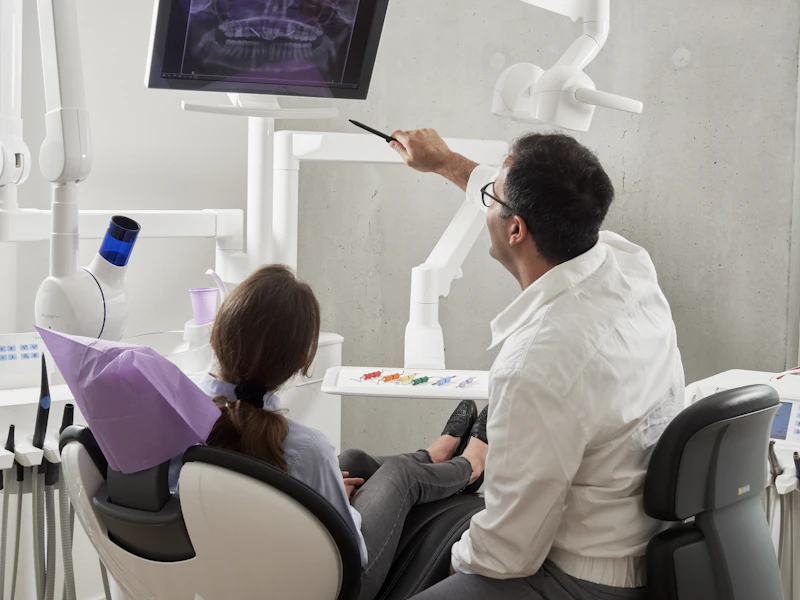
Tooth extraction, also known as dental extraction or tooth removal, is a dental procedure in which a dentist removes a tooth from its socket when it cannot be safely preserved or when removal is necessary for oral health. Depending on the condition of the tooth, your dentist may recommend a simple extraction or a more complex surgical procedure.
At SMERA Microdentistry Clinic in Solapur, the treatment approach focuses on examining the tooth, explaining the available options and helping patients make informed decisions about their dental health.
Whether you are searching for tooth removal in Solapur, wisdom tooth extraction, or a dentist for tooth extraction, the first step is a proper examination to identify the cause of your symptoms.
Looking for a dentist for tooth removal in Solapur? Arrange a dental consultation to understand whether extraction, root canal treatment, a filling or another procedure is appropriate for your condition.
Tooth extraction is the removal of a tooth from its position in the jawbone. Dentists generally recommend removing a tooth only when clinical examination indicates that it is necessary or beneficial.
Some teeth become severely damaged because of extensive tooth decay, fractures, advanced gum disease or infection. Other teeth, such as impacted wisdom teeth, may cause recurring discomfort or other complications that require professional assessment.
Not every painful tooth needs to be removed. Depending on the diagnosis, a dentist may be able to preserve a natural tooth through dental fillings, root canal treatment or a dental crown.
If you are looking for dental extraction in Solapur, an examination helps identify the cause of your symptoms and determine the most appropriate treatment plan.

Your dentist may recommend tooth removal for several reasons. Extraction is considered only when it is clinically appropriate — not every damaged or painful tooth needs to be removed.
Tooth decay develops when bacteria and acids damage the hard tissues of a tooth. If the decay progresses extensively, the tooth may lose too much of its structure to be restored reliably.
Depending on how much healthy tooth remains, treatment may involve a filling, crown, root canal treatment or extraction.
Accidents, sports injuries, biting hard objects and weakened teeth can cause fractures. Some broken teeth can be repaired, while fractures extending below the gum line or into the root may make a tooth difficult or impossible to preserve.
A dental examination and, when necessary, dental X-rays help assess the extent of the damage.
Periodontal disease can damage the tissues and bone that support the teeth. When a tooth becomes severely loose because of advanced supporting-tissue damage, extraction may be considered.
Early gum treatment can help reduce the risk of further damage, so bleeding gums or persistent gum swelling should not be ignored.
An infection involving a tooth may cause pain, swelling or sensitivity. Depending on the cause and severity, the dentist may recommend root canal treatment, drainage or extraction.
Facial swelling, fever or difficulty swallowing requires prompt medical or dental assessment. Difficulty breathing or rapidly spreading swelling requires emergency care.
Wisdom teeth are the last molars to develop, usually during late adolescence or early adulthood. Some erupt normally, while others remain partly or completely trapped in the jaw.
An impacted wisdom tooth can sometimes contribute to pain, inflammation, food trapping, decay or damage to neighbouring teeth. Removal depends on the clinical findings rather than simply on the presence of a wisdom tooth.
In selected orthodontic cases, removing a tooth may create space for alignment. This decision should be made as part of a comprehensive orthodontic treatment plan.
Extraction is not automatically necessary for crowded teeth. Your dentist or orthodontist will evaluate your bite, dental development and available treatment options before recommending removal.
Sometimes a tooth has extensive structural damage, repeated treatment complications or insufficient healthy tissue for a predictable restoration. In these circumstances, extraction may be discussed along with options for replacing the missing tooth.
The goal is to choose treatment based on the patient's long-term oral health, not to remove a tooth unnecessarily.
The type of extraction depends on the tooth's position, shape, condition and relationship to the surrounding bone. Your dentist will determine the most appropriate approach after examination.
One of the most common concerns patients have is whether tooth removal hurts. Understanding what to expect can help reduce anxiety.
During a routine extraction, local anaesthesia is used to numb the treatment area. You may feel pressure, movement or vibration, but you should not experience sharp pain during the procedure.
Tell your dentist immediately if you feel pain so the anaesthesia and treatment can be reassessed.
If fear of dental treatment has delayed your visit, tell the clinic about your concerns before the procedure. Understanding each step may make the experience easier to manage.
After the anaesthesia wears off, some soreness, tenderness or swelling may occur. The degree of discomfort depends on the complexity of the extraction, the condition of the tooth and individual healing.
Your dentist can explain suitable pain-management options and provide instructions based on your medical history. Do not take medicines or change prescribed doses without appropriate advice.
Knowing what happens during treatment can help reduce uncertainty and make your dental visit more comfortable.
The dentist asks about your symptoms, examines the affected tooth and reviews your medical and dental history.
Imaging may be needed to evaluate the roots, surrounding bone, tooth position and nearby anatomical structures.
Your dentist explains whether the tooth can potentially be saved or whether extraction is advisable, including risks, fees and replacement options.
The treatment area is numbed before extraction. The dentist checks that the area is sufficiently anaesthetised before proceeding.
The dentist uses an appropriate extraction technique based on the tooth's condition. Some procedures require surgical access or additional steps.
Gauze may be placed over the socket so that gentle pressure helps control bleeding and a blood clot can form. Stitches may be used when indicated.
Before leaving, you should understand how to manage bleeding, what foods to choose, oral hygiene, activities to avoid and when to contact the clinic.
Proper aftercare helps protect the extraction site and reduce the risk of complications. Following your dentist's instructions is an important part of recovery.
Bite gently but firmly on the gauze supplied by your dentist for the instructed period. Avoid repeatedly removing it to inspect the socket.
A small amount of blood mixed with saliva may be noticeable initially. If bleeding remains heavy or does not settle with firm pressure, contact your dentist promptly.
A blood clot forms in the socket and protects the underlying tissues during early healing. Avoid vigorous rinsing, forceful spitting and drinking through a straw during the initial period specified by your dentist.
Smoking and tobacco use can interfere with healing and increase the risk of complications such as dry socket. Avoid them during recovery.
For the first day or as long as your dentist recommends, choose soft foods that are easy to chew and swallow. Examples include yoghurt, mashed potatoes, soft khichdi that has cooled, scrambled eggs and smooth soups that are not hot.
Chew away from the extraction site where possible. Avoid hard, crunchy, sharp or very hot foods while the area is tender.
Continue brushing your teeth carefully, taking care not to injure the extraction site. Follow your dentist's instructions about when and how to begin gentle warm salt-water rinses.
Do not place unprescribed substances, powders or home remedies directly into the socket.
Take it easy during the initial recovery period. Avoid strenuous exercise and heavy lifting for the period advised by your dentist, particularly if your extraction was surgical.
Follow the prescribed instructions for pain relief or other medication. Inform your dentist about allergies and existing medicines before treatment.
Contact your dentist if you develop worsening pain after initial improvement, persistent or increasing swelling, fever, pus, a bad taste accompanied by pain, or bleeding that does not settle.
Dry socket can occur when the protective blood clot is lost or breaks down prematurely. It can cause significant pain and needs dental assessment.
Difficulty breathing or swallowing, or rapidly spreading facial or neck swelling, requires emergency medical care.
Food choices should be guided by comfort and the instructions given by your dentist.
| Stage | Suitable options |
|---|---|
| Initial recovery | Cool or room-temperature yoghurt, smooth foods and water |
| First day | Soft khichdi cooled before eating, mashed vegetables, soft eggs and non-hot soups |
| Following days | Soft rice, well-cooked vegetables, soft pasta and other foods that do not irritate the site |
| As healing progresses | Gradually return to your normal diet when chewing is comfortable and your dentist's instructions allow it |
Avoid chewing directly over the extraction site, particularly while it is tender. Nuts, chips, popcorn, hard sweets and other foods that may injure the wound or lodge in the socket should be avoided initially.
Do not eat while your mouth is still significantly numb, because you may accidentally bite your cheek, tongue or lips.
Recovery varies from one patient to another.
After a straightforward extraction, discomfort and swelling often begin to improve over the first few days. More complex surgical extractions may require a longer recovery period.
The gum gradually closes over the socket, while healing and bone remodelling continue beneath the surface for weeks or longer. The socket may therefore take considerably longer to fill in completely than it takes for everyday discomfort to settle.
Healing depends on factors such as the type of extraction, the presence of infection, smoking, medical conditions and adherence to aftercare instructions.
Important: If pain or swelling worsens rather than improving, do not assume that it is a normal part of recovery. Arrange a dental review.
The cost of tooth extraction in Solapur varies depending on the complexity of the procedure and the patient's dental condition.
A straightforward extraction and a complicated impacted wisdom tooth removal may require different levels of treatment. A precise estimate is possible only after a clinical examination.
For an accurate estimate, arrange an examination at SMERA Clinic and ask for a clear explanation of the recommended procedure and associated charges before treatment begins.
Avoid relying on a single advertised price without checking what it includes. Treatment suitability and expected outcomes depend on your dental examination.
Request a personalised estimate after your dental assessment so you can plan your treatment at SMERA Clinic with confidence.
Patients sometimes assume that removing a painful tooth is the only solution. In many cases, however, a natural tooth may be preserved. The choice depends on the examination, imaging where required, the long-term outlook and the patient's preferences.
Root canal treatment may be appropriate when the inside of the tooth is infected or inflamed but the tooth can still be restored. A filling or crown may also be suitable for teeth with less extensive damage.
Preserving a natural tooth can help maintain your bite and avoid the need for replacement options such as an implant, bridge or denture.
Tooth extraction may be recommended when a tooth cannot be predictably restored, has certain severe fractures or presents another clinical reason for removal.
Replacing an extracted tooth may involve a dental implant, bridge or denture, depending on the individual case. Each option has different benefits, limitations, costs and suitability considerations.
Choosing a dental clinic involves more than finding the nearest appointment. Patients should be able to understand their diagnosis, discuss treatment choices and receive clear aftercare instructions.
SMERA Microdentistry Clinic provides dental services in Solapur, including tooth extraction, wisdom tooth extraction, root canal treatment, dental fillings, gum treatment and teeth replacement.
The clinic's published patient-first approach emphasises explaining treatment procedures, communicating clearly and considering appropriate options for each patient.
The clinic's patient-first approach emphasises explaining treatment procedures and communicating clearly so you can make an informed decision.
Considering appropriate options for each patient — not every tooth needs removal, and not every extraction requires surgery.
Tooth extraction, wisdom tooth extraction, root canal treatment, dental fillings, gum treatment and teeth replacement under one roof.
Conveniently located at Bhadravathi Peth, Solapur, with access to expert assessment and care for your dental needs.
These discussions help you make an informed decision about your oral health. Book a consultation to discuss your dental condition with our team.
Book a ConsultationAnswers to the questions patients ask most often about tooth removal in Solapur.
During a routine extraction, local anaesthesia is used to numb the treatment area. You may feel pressure, movement or vibration, but you should not experience sharp pain. After the anaesthesia wears off, some soreness or swelling may occur, which can be managed with prescribed medication.
Recovery varies. After a straightforward extraction, discomfort and swelling often begin to improve over the first few days. More complex surgical extractions may require a longer recovery period. The gum gradually closes over the socket, while healing and bone remodelling continue beneath the surface for weeks.
For the first day, choose soft foods like yoghurt, mashed potatoes, soft khichdi, scrambled eggs and smooth soups that are not hot. Chew away from the extraction site. Avoid hard, crunchy, sharp or very hot foods while the area is tender.
The cost of tooth extraction in Solapur varies depending on the complexity of the procedure and the patient's dental condition. Factors include whether the extraction is simple or surgical, if a wisdom tooth is involved, and whether dental imaging is required. For an accurate estimate, arrange an examination at SMERA Clinic.
Yes, in many cases a natural tooth can be preserved. Root canal treatment may be appropriate when the inside of the tooth is infected but the tooth can still be restored. A filling or crown may also be suitable for teeth with less extensive damage. The choice depends on the examination and the long-term outlook.
Dry socket can occur when the protective blood clot is lost or breaks down prematurely. It can cause significant pain and needs dental assessment. Contact your dentist if you develop worsening pain after initial improvement.
No. Removal depends on the clinical findings rather than simply on the presence of a wisdom tooth. Some erupt normally, while others remain impacted and may require treatment. An individual assessment with imaging helps determine whether monitoring or extraction is appropriate.
Contact your dentist if you develop worsening pain after initial improvement, persistent or increasing swelling, fever, pus, a bad taste accompanied by pain, or bleeding that does not settle. Difficulty breathing or swallowing, or rapidly spreading facial or neck swelling, requires emergency medical care.
Continue brushing your teeth carefully, taking care not to injure the extraction site. Follow your dentist's instructions about when and how to begin gentle warm salt-water rinses. Do not place unprescribed substances, powders or home remedies directly into the socket.
Take it easy during the initial recovery period. Avoid strenuous exercise and heavy lifting for the period advised by your dentist, particularly if your extraction was surgical. The exact timeline depends on the complexity of your procedure and how you heal.
Do not ignore persistent tooth pain, a broken tooth or swelling around the gums. Early assessment can help identify the cause and clarify which treatments may be suitable.
If you are looking for tooth extraction in Solapur, contact SMERA Microdentistry Clinic to arrange a dental consultation.
SMERA Microdentistry Clinic
Bhadravathi Peth, Solapur, Maharashtra 413005.
Phone: +91 98603 83118
Your next step: Schedule a dental assessment so that your dentist can evaluate the tooth and explain the treatment options available to you.
Fill in your details and our care team will confirm your slot within a few hours.